

Skin can look shiny, feel tight, and still be dehydrated. That is why knowing how to treat dehydrated skin professionally matters so much - dehydration is a skin condition, not a skin type, and it is often mistaken for oiliness, sensitivity, or early aging.
For many women, the first signs show up quietly. Makeup starts clinging to dry patches, fine lines seem more obvious by midday, and the skin feels uncomfortable even after moisturizer. In a humid climate like Singapore, this can be especially confusing. Many people assume humidity protects the skin from dehydration, but air-conditioning, stress, frequent cleansing, active ingredients, and sun exposure can steadily weaken the skin barrier and leave it thirsty beneath the surface.
What dehydrated skin really looks like
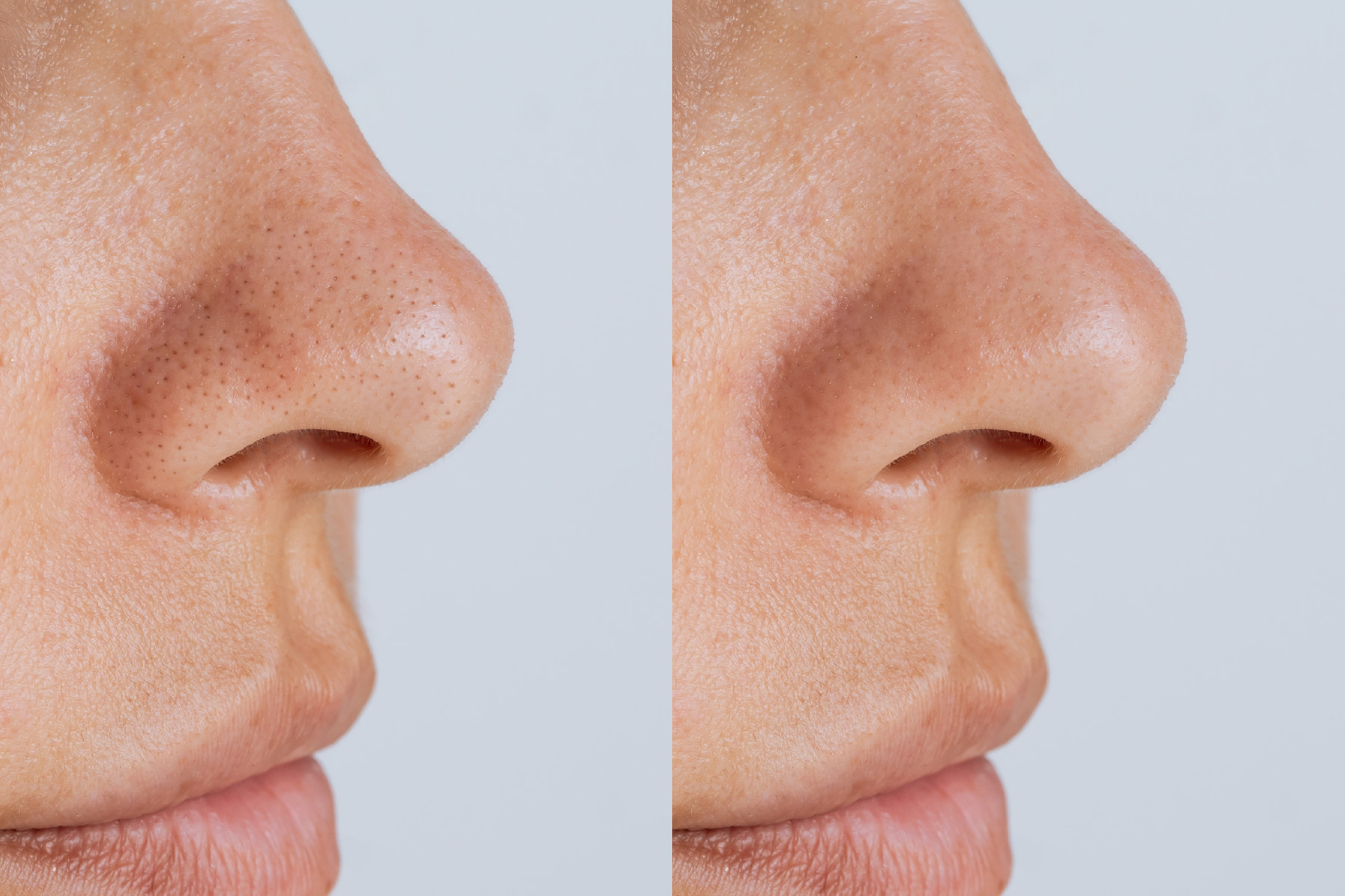
Dehydrated skin lacks water, not oil. That distinction changes everything about treatment. A person with oily skin can still be dehydrated, and a person with dry skin can be both dry and dehydrated at the same time.
In a professional setting, therapists usually look beyond surface dryness. They assess whether the skin appears dull, crepey, tight, reactive, or uneven in texture. Pores may look more visible because the surrounding skin is not plump. Some clients notice congestion and dehydration together, which is common when the skin overproduces oil to compensate for moisture loss.
This is why generic home routines often fall short. If the skin barrier is compromised, simply layering richer creams may not solve the issue. The skin needs a treatment plan that restores hydration at multiple levels while reducing the triggers that keep stripping it.
How to treat dehydrated skin professionally starts with diagnosis
The first step in learning how to treat dehydrated skin professionally is understanding that treatment should never begin with assumptions. A proper consultation and skin analysis are what separate a luxury professional experience from a one-size-fits-all facial.
A trained therapist will usually review several factors at once: your current skincare routine, how often you exfoliate, whether you use retinol or acne products, your work environment, water intake, stress levels, and how your skin behaves throughout the day. This matters because dehydration can be caused by more than one issue. Sometimes it is barrier damage from overuse of acids. Sometimes it comes from frequent travel, lack of sleep, or excessive cleansing. In other cases, the skin is being treated aggressively for acne and becomes dehydrated as a result.
A professional diagnosis also helps distinguish dehydrated skin from sensitivity, inflammation, and true dryness. These concerns can overlap, but they do not respond well to exactly the same treatments.
The professional treatment approach
Professional care for dehydrated skin is usually less about one dramatic treatment and more about a carefully paced strategy. The goal is to calm, replenish, and strengthen the skin so hydration can be retained more effectively over time.
Gentle but thorough cleansing
A professional facial for dehydration begins with cleansing that removes sunscreen, makeup, excess oil, and pollution without leaving the skin stripped. This step sounds simple, but it matters. If cleansing is too harsh, the rest of the treatment works against an already stressed barrier.
For dehydrated skin, the therapist will typically choose textures and ingredients that respect the skin’s protective layer while preparing it to absorb hydration more efficiently.
Controlled exfoliation, not over-exfoliation
Many dehydrated clients assume exfoliation is the answer because their skin feels rough or looks flaky. Sometimes a mild professional exfoliation does help by removing surface buildup that blocks absorption. But the key word is mild.
Aggressive peeling on dehydrated skin can increase irritation, tightness, and redness. A skilled therapist knows when to exfoliate lightly and when to skip it altogether. If the barrier is already fragile, the priority is repair first, resurfacing later.
Intensive hydration infusion
This is where professional treatment makes a visible difference. [Hydrating facials](https://amberbeila.com/facial-treatments/) often combine humectant-rich serums, soothing masks, and techniques designed to improve penetration and comfort. Depending on the skin’s condition, treatment may focus on replenishing water content, reducing inflammation, and softening dehydration lines.
Some clients benefit from advanced aesthetic technology that supports product absorption and improves skin vitality. Others respond best to a more restorative hands-on facial using calming, nourishing formulations. It depends on how reactive the skin is and what other concerns need to be balanced at the same time.
Barrier repair and skin recovery
Hydration is not only about adding water to the skin. It is also about helping the skin hold onto that hydration. This is where barrier-repair ingredients and restorative aftercare become essential.
A professional therapist will often focus on treatments that reduce transepidermal water loss and strengthen the skin’s resilience. When this step is neglected, skin may feel better for a day or two after a facial, then return to the same cycle of tightness and dullness.
Which facials help dehydrated skin most?
The best facial depends on the reason behind the dehydration. Hydration-focused facials are often ideal for skin that feels tight, fatigued, or rough but does not show heavy inflammation. These treatments are designed to restore comfort, radiance, and suppleness.
If the skin is dehydrated and congested, a deep hydrating facial may still be suitable, but it must be customized carefully. Extraction-heavy treatments without enough soothing and replenishment can leave the skin feeling drier afterward. The right approach balances purification with hydration.
For skin that is also showing early signs of aging, a professional may combine hydration support with anti-aging elements that encourage smoother texture and a fresher appearance. If the skin is sensitive, the plan may need to be more conservative, with fewer active steps and more recovery support.
At a personalized salon such as Amber Beila, this level of customization is what makes treatment feel both indulgent and results-driven. The facial is not selected just because it is popular. It is chosen because it matches what your skin is asking for that day.
Why dehydrated skin often needs more than one session
One treatment can give the skin a healthier glow and immediate relief, but persistent dehydration rarely develops overnight. It usually builds gradually, which means correction also takes consistency.
For some clients, a series of treatments is the best route because the first session calms and rehydrates, while later sessions focus on strengthening the barrier and maintaining balance. This is particularly true if dehydration is mixed with acne, sensitivity, or uneven texture.
There is also a lifestyle reality to consider. If you spend long hours in air-conditioned offices, cleanse too often after workouts, or use strong actives at home, the skin may keep losing water faster than expected. Professional treatment works best when it is part of an ongoing care plan rather than a one-off rescue.
What to avoid when skin is dehydrated
When skin feels uncomfortable, many people start doing more. They add exfoliants, try multiple masks, switch cleansers, and layer active products in the hope of quick improvement. This often makes the situation worse.
Professionally, the better approach is to reduce unnecessary stress on the skin. Over-cleansing, frequent scrubs, strong peels, and alcohol-heavy products can all prolong dehydration. Even treatments that are excellent for other concerns may need to be paused temporarily if the skin barrier is not in good condition.
This is where professional guidance is reassuring. Instead of guessing, you get a treatment path that respects both the skin’s limits and its long-term potential.
Supporting professional results at home
A salon treatment creates momentum, but home care protects that progress. The routine does not need to be complicated. In fact, dehydrated skin often responds better to a simpler, more disciplined approach.
A gentle cleanser, a hydrating serum, a moisturizer that supports the barrier, and daily sun protection are usually the foundation. If you use acids, retinoids, or acne treatments, they may need to be adjusted in frequency depending on how your skin responds. More is not always better.
Hydration also benefits from consistency. Irregular care, frequent product swapping, and trend-led experimentation can keep the skin unsettled. Professional recommendations are valuable because they are based on your skin’s actual condition rather than marketing promises.
When to seek professional help
If your skin stays tight after moisturizing, becomes easily irritated, looks persistently dull, or develops both flaking and breakouts, it is worth booking a professional consultation. These signs usually mean the skin needs more than a richer cream.
Professional treatment is especially helpful before important events, after periods of stress or travel, or when your usual routine suddenly stops working. Fresh, well-hydrated skin reflects light better, feels more comfortable, and holds makeup more beautifully. It is one of the clearest signs of skin that is being cared for properly.
Dehydrated skin does not need to be fought with stronger products. It needs to be understood, treated gently, and supported with personalized care that restores lasting balance. When the skin is given that level of attention, the change is not only visible - it feels like relief.