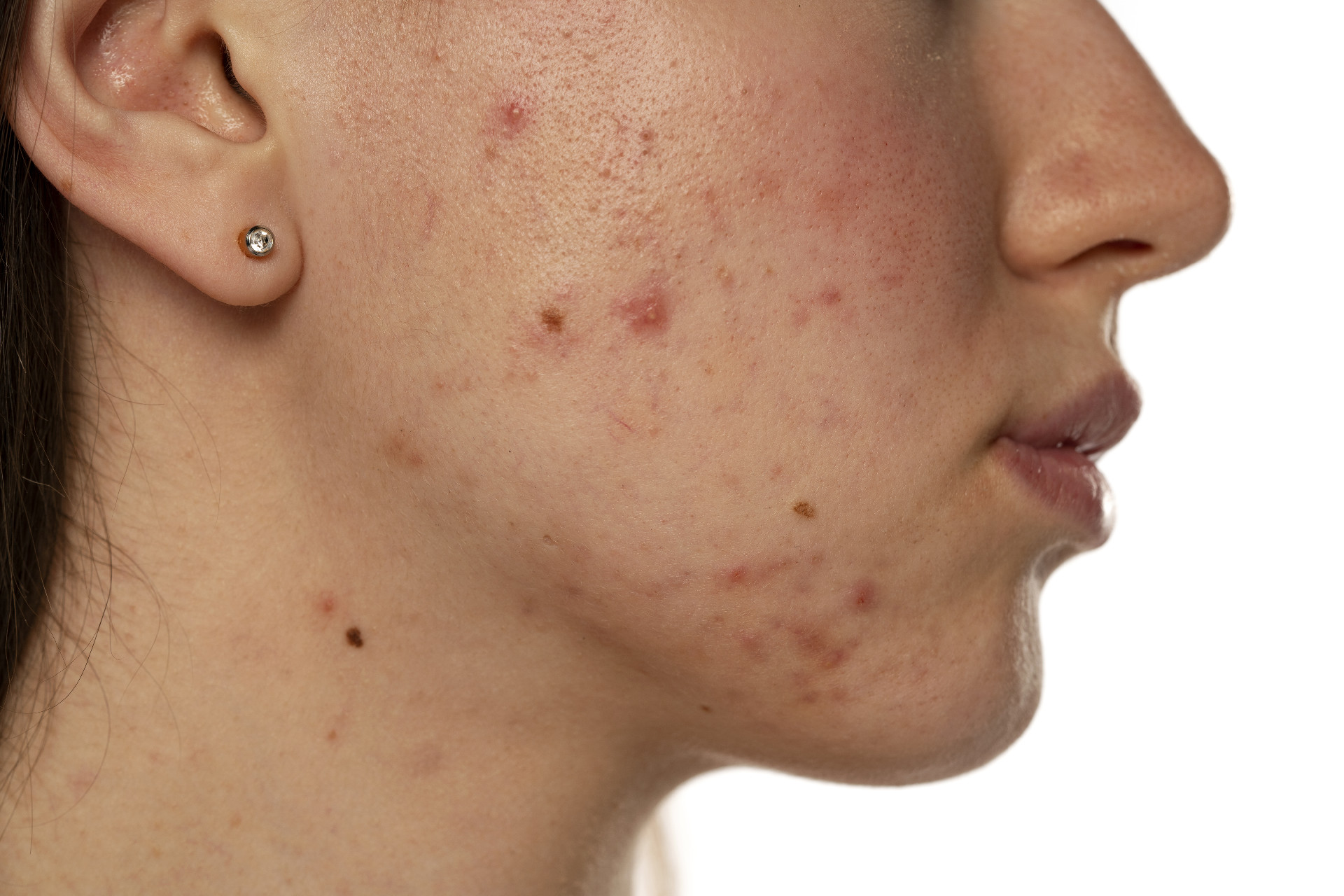
Quick answer: Acne spots fade fastest when you treat the right concern — active breakouts, red/brown marks, or textured scars each need a different approach. The core routine: gentle cleansing, one targeted active ingredient, daily sunscreen, and professional support for stubborn congestion or scarring. Singapore's heat, humidity, sunscreen layering, makeup, and daily commuting all make acne marks harder to shift. The good news: with the right approach, most spots do improve. Not all "acne spots" are the same — and treating them all with strong exfoliants can backfire. Active breakouts (whiteheads, blackheads, inflamed pimples) — need oil control and pore-clearing, not exfoliation alone. Picking increases inflammation and scarring risk. Red marks — usually post-inflammatory redness; typically fades on its own with time and sun protection. Brown/grey marks — post-inflammatory hyperpigmentation, more persistent in melanin-rich skin, but not permanent. Indented or raised scars — a change in skin texture, not just tone. Skincare alone often isn't enough; this usually needs a professional plan. Spot type What it looks like Best first step Active breakout Whitehead, blackhead, inflamed bump Oil control + gentle pore-clearing Red mark Flat, pink/red discoloration Sun protection, time, calming care Brown mark Flat, brown/grey discoloration Azelaic acid, niacinamide, vitamin C Textured scar Indented or raised skin Professional assessment Overloading skin with actives while it's healing usually causes more irritation, not faster results. Cleanse morning and night — especially after sweat, makeup, or being outdoors. Skin shouldn't feel tight or squeaky after washing; that's a barrier warning sign, not a sign of "clean." Pick one active ingredient based on your main concern: Salicylic acid → congested pores, recurring blackheads Benzoyl peroxide → inflamed, active acne Retinoids → cell turnover, preventing new clogs Azelaic acid / niacinamide / vitamin C → post-acne discoloration Start slow — 2–3 nights a week with a new active, increasing only once skin tolerates it. Avoid stacking acids, retinoids, scrubs, and spot treatments together — this is the most common cause of dryness and stinging. UV exposure is one of the biggest reasons acne marks linger longer than they should. Daily broad-spectrum sunscreen helps prevent marks from deepening or resurfacing. Choose a lightweight, non-comedogenic formula suited to humid weather. If sunscreen pills under makeup, switch textures — don't skip the step. Clean makeup brushes and phone screens regularly Remove makeup fully before bed Avoid touching or resting hands on the face Rinse hair products (especially conditioner) thoroughly to prevent hairline, back, and chest breakouts Shower promptly after sweating or exercising to limit body acne Track dietary or stress patterns rather than eliminating whole food groups on a trend At-home care has limits — especially for stubborn congestion or marks that won't budge. A professional facial may help if: Skin feels bumpy beneath the surface Blackheads return quickly after extraction You're unsure which products are causing irritation Pigmentation or redness persists despite a consistent routine At Amber Beila, this typically starts with thorough pore cleansing and extraction — done with proper assessment and hygiene, not the trauma of at-home squeezing. For deeper pigmentation or textural concerns, options like photo rejuvenation may be considered once active acne is stabilized. Some acne needs medical, not salon, intervention. See a doctor if you have: Painful cystic acne Widespread or sudden severe breakouts Scars developing rapidly No improvement after several months of consistent careStep 1: Identify What You're Actually Treating
Step 2: Build a Simple, Consistent Routine
Step 3: Don't Skip Sunscreen
Everyday Habits That Prevent New Marks
When to Get a Professional Facial
When to See a Dermatologist