
DIY skincare is essential for maintaining healthy skin every day, while professional facials provide additional care through specialised treatments and personalised recommendations. Neither approach is automatically better. The most suitable choice depends on your skin concerns, budget and the results you want to achieve. A consistent home skincare routine can support skin hydration, help protect the skin barrier and manage everyday concerns. Professional facials, on the other hand, may offer additional benefits such as appropriate extraction, targeted cleansing and skincare guidance. But are professional facials really necessary? Can at-home skincare deliver similar results? And when is it worth booking a facial treatment? Let's compare both approaches to help you decide what your skin actually needs. The biggest difference between DIY skincare and professional facials is the type of care involved. At-home skincare focuses on daily maintenance, while professional facials provide occasional treatments selected according to individual skin conditions. Both can play a role in maintaining healthy-looking skin. The key takeaway: Daily skincare provides the foundation, while professional facials can complement it when appropriate. DIY skincare refers to the products and routines you use at home to maintain your skin. These may include cleansers, moisturisers, sunscreen, serums, exfoliants and face masks. A good home skincare routine does not need to be complicated. For most people, the essentials include: Gentle cleansing Moisturising Daily sun protection Targeted skincare products when needed The effectiveness of your routine depends on selecting suitable products and using them consistently. 1. Convenient for everyday use Home skincare fits into your daily schedule without requiring appointments. You can cleanse, moisturise and apply sunscreen as part of your morning and evening routine. 2. Helps maintain skin hydration Consistent moisturising helps reduce water loss and maintain skin comfort. This is especially useful for people who experience dryness or dehydration. 3. Supports the skin barrier Using gentle products suited to your skin can help maintain the protective function of the skin barrier. 4. More control over your skincare routine You can adjust products according to your preferences, budget and skin tolerance. 5. Provides essential long-term maintenance Daily habits, especially sun protection, play an important role in maintaining healthy-looking skin. Although home skincare is essential, some concerns may be difficult to manage through routine products alone. For example: Persistent blackheads and whiteheads may not respond fully to basic cleansing. Using the wrong active ingredients may cause dryness or irritation. Excessive exfoliation can damage the skin barrier. Attempting to extract stubborn blemishes at home can cause inflammation or scarring. It may be difficult to identify whether a concern requires cosmetic care or medical treatment. These limitations do not mean DIY skincare is ineffective. Instead, they highlight why understanding your skin and choosing appropriate products matters. Professional facials are cosmetic skincare treatments performed by trained skincare practitioners. They typically involve a combination of cleansing, exfoliation, hydration, facial massage, masks and other techniques selected according to the treatment. Different facials address different concerns. For example, a deep cleansing facial may focus on clogged pores, while a hydrating facial prioritises moisture replenishment. Some professional facials also include equipment or techniques that are not appropriate for unsupervised home use. However, the use of specialised equipment does not automatically guarantee better results. The effectiveness and suitability of a facial depend on the treatment, practitioner, skin condition and individual response. One advantage of professional facials is the opportunity to discuss your skin concerns with a trained practitioner. Your skin's condition may change due to hormonal fluctuations, environmental exposure, skincare habits and lifestyle factors. For example, someone with oily skin may also experience dehydration, while a person with acne-prone skin may have a weakened skin barrier. A personalised assessment can help identify suitable cosmetic treatments and highlight when a gentler approach may be necessary. However, skincare consultations are not substitutes for medical diagnosis. Persistent rashes, severe acne or unexplained changes in the skin should be assessed by a qualified medical professional. Blackheads and whiteheads develop when oil and dead skin cells accumulate inside hair follicles. Although appropriate home skincare may help manage congestion, some clogged pores may benefit from professional extraction. A suitable deep cleansing facial may include: Double cleansing Gentle exfoliation Appropriate extraction Facial care selected for the skin's condition Moisturising and aftercare Professional extraction may help address certain forms of congestion, but it does not guarantee that clogged pores will never return. Aggressive or unnecessary extraction can also irritate the skin. At Amber Beila, our Deep Pore Cleansing Facial focuses on removing surface buildup and addressing congested pores through appropriate cleansing and facial care. Dehydrated skin can feel tight, rough and uncomfortable. Even oily skin can become dehydrated. Hydration-focused professional facials may incorporate moisturising ingredients, hydrating masks and techniques designed to improve the feel and appearance of the skin. Potential benefits include: Improved temporary skin hydration Softer-feeling skin Reduced tightness associated with dryness Smoother-looking skin Improved skin comfort These effects can be helpful, but they may be temporary. Consistent moisturising at home remains important for maintaining hydration between appointments. Professional facials can be selected according to different cosmetic concerns. These include: Congested pores Excess oil Dehydration Rough skin texture Dull-looking skin The appearance of fine lines For example, someone concerned about congestion may prefer a cleansing-focused treatment, while someone experiencing dehydration may benefit more from a hydrating facial. Not every facial is suitable for every skin condition. Stronger treatments may irritate sensitive skin, and certain concerns require medical treatment rather than cosmetic facials. Learn more about the different types of facial treatments and their benefits. Professional facials can also provide an opportunity to relax. Many treatments include facial massage and are performed in a comfortable environment away from everyday responsibilities. For people with busy schedules, this dedicated time can be an enjoyable part of their personal care routine. Although relaxation is a benefit of the experience, facial massage should not be expected to permanently eliminate wrinkles or lift sagging skin. For some people, a consistent home skincare routine is sufficient to maintain healthy skin without regular professional facials. Gentle cleansing, moisturising and sun protection provide essential daily care. Professional facials are optional cosmetic treatments rather than a universal requirement. However, they may provide additional value when you have concerns such as persistent surface congestion or when you want advice on selecting a suitable facial. The two approaches work best when their different purposes are understood. Home skincare maintains the skin daily. Professional facials may provide additional targeted care when appropriate. Neither should be viewed as a complete replacement for the other. Whether a professional facial is worth the cost depends on your skin concerns, budget and expectations. A facial may be worth considering if: You experience recurring clogged pores. You want professional guidance on skincare. Your skin needs additional hydration-focused care. You're preparing for an event and want a suitable cosmetic treatment. You enjoy professional facial care and relaxation. However, you may not need frequent facials if your skin is comfortable and well maintained through a suitable daily routine. It is also important to have realistic expectations. Facials cannot guarantee permanent pore reduction, eliminate all acne or reverse skin ageing. Rather than booking the most expensive option, focus on choosing a treatment that addresses your actual concerns. DIY skincare should remain the foundation of your routine. It is particularly important for: Daily cleansing Moisture maintenance Sun protection Supporting skin barrier comfort Maintaining results between professional treatments If your skin is generally balanced and you have no major concerns, a simple routine may be enough. You do not necessarily need a complicated multi-step routine or frequent new products. Consistency and suitability matter more than the number of products you use. You may consider professional facial care when: You experience recurring clogged pores. A suitable deep cleansing facial may help address some blackheads and whiteheads. Your skin feels dehydrated despite your usual routine. A hydration-focused facial may temporarily improve skin moisture and comfort. You're unsure which cosmetic treatment suits your skin. A professional consultation can help you explore available options. Your skin concerns change over time. A treatment that was suitable previously may not always be the best choice. You want additional cosmetic care before a special occasion. A gentle facial may be an option, but avoid trying unfamiliar or intensive treatments immediately before an important event. If you experience painful acne, persistent inflammation, skin infections or severe irritation, seek medical advice before undergoing cosmetic treatments. A balanced approach involves maintaining a suitable home routine and adding professional treatments only when needed. Use a gentle cleanser, appropriate moisturiser and broad-spectrum sunscreen. Avoid adding multiple active ingredients at the same time without understanding how they interact. Consider whether your main issue is congestion, dehydration, sensitivity or uneven-looking texture. This helps determine whether additional professional care may be useful. Select a treatment based on your current skin condition rather than popularity. For example, a hydrating facial may be more suitable than an exfoliating facial when your skin is temporarily dry or sensitive. After a facial, follow the aftercare guidance provided by your practitioner. Depending on the treatment, you may need to temporarily avoid strong exfoliants or other potentially irritating products. Continue gentle cleansing, moisturising and sun protection. Professional treatments are more useful when supported by appropriate daily skincare habits. There is no universal schedule for professional facials. Some people choose appointments approximately every four to six weeks, while others have treatments less frequently. The appropriate frequency depends on your skin type, treatment intensity and individual needs. For example: Congested skin may benefit from periodic professional cleansing. Dehydrated skin may benefit from occasional hydration-focused treatments. Sensitive skin may require gentler techniques or longer intervals. Well-maintained skin may not need regular professional treatment. More frequent facials do not automatically deliver better results. Read our guide on the benefits of regular facials. Not necessarily. Home skincare is essential for daily cleansing, hydration and sun protection. Professional facials can provide additional cosmetic care for specific concerns. Both have different purposes, and the best approach depends on your skin's needs. Yes. Many people maintain healthy skin with consistent cleansing, moisturising and sun protection. Professional facials are optional and may be useful for certain cosmetic concerns. A suitable deep cleansing facial may help remove some blackheads and whiteheads through appropriate extraction. However, results vary, and home skincare remains important for ongoing congestion management. There is no fixed requirement. Some people have facials every four to six weeks, while others benefit from occasional treatments. Frequency should depend on skin concerns, treatment intensity and individual tolerance. Yes, if the treatment is inappropriate or performed too aggressively. Excessive exfoliation, unsuitable ingredients and improper extraction may cause irritation or barrier damage. Choosing a suitable treatment and trained practitioner is important. Usually not, but temporary adjustments may be needed. Depending on the facial, your practitioner may recommend avoiding certain active ingredients or exfoliating products for a short period. Continue appropriate moisturising and sun protection. It depends on the type and severity of acne. Appropriate home skincare and evidence-based acne treatments are important. Cosmetic facials may help with selected surface congestion, but persistent, painful or scarring acne requires medical assessment. Prioritise a suitable daily skincare routine, particularly cleanser, moisturiser and sunscreen. Professional facials can be considered as an additional expense when they address a specific concern or provide value to you. Healthy-looking skin does not depend on choosing between DIY skincare and professional facials. The most practical approach is to understand what your skin needs and combine suitable daily care with professional treatments when appropriate. At Amber Beila, we offer personalised facial treatments for different cosmetic concerns, including clogged pores, dehydration, uneven-looking texture and signs of ageing. Our team provides honest advice and treatment recommendations based on your skin's current condition. Visit us at: The Heeren, Orchard Road Delfi Orchard One Raffles Place Beauty World Whether you're exploring your first facial or looking for additional care alongside your existing routine, we can help you find a suitable option. Not sure whether your skin needs a professional facial? Explore Amber Beila Facial Treatments Disclaimer: Professional facials provide cosmetic skincare benefits, and results vary. They do not replace medical diagnosis or treatment of skin conditions.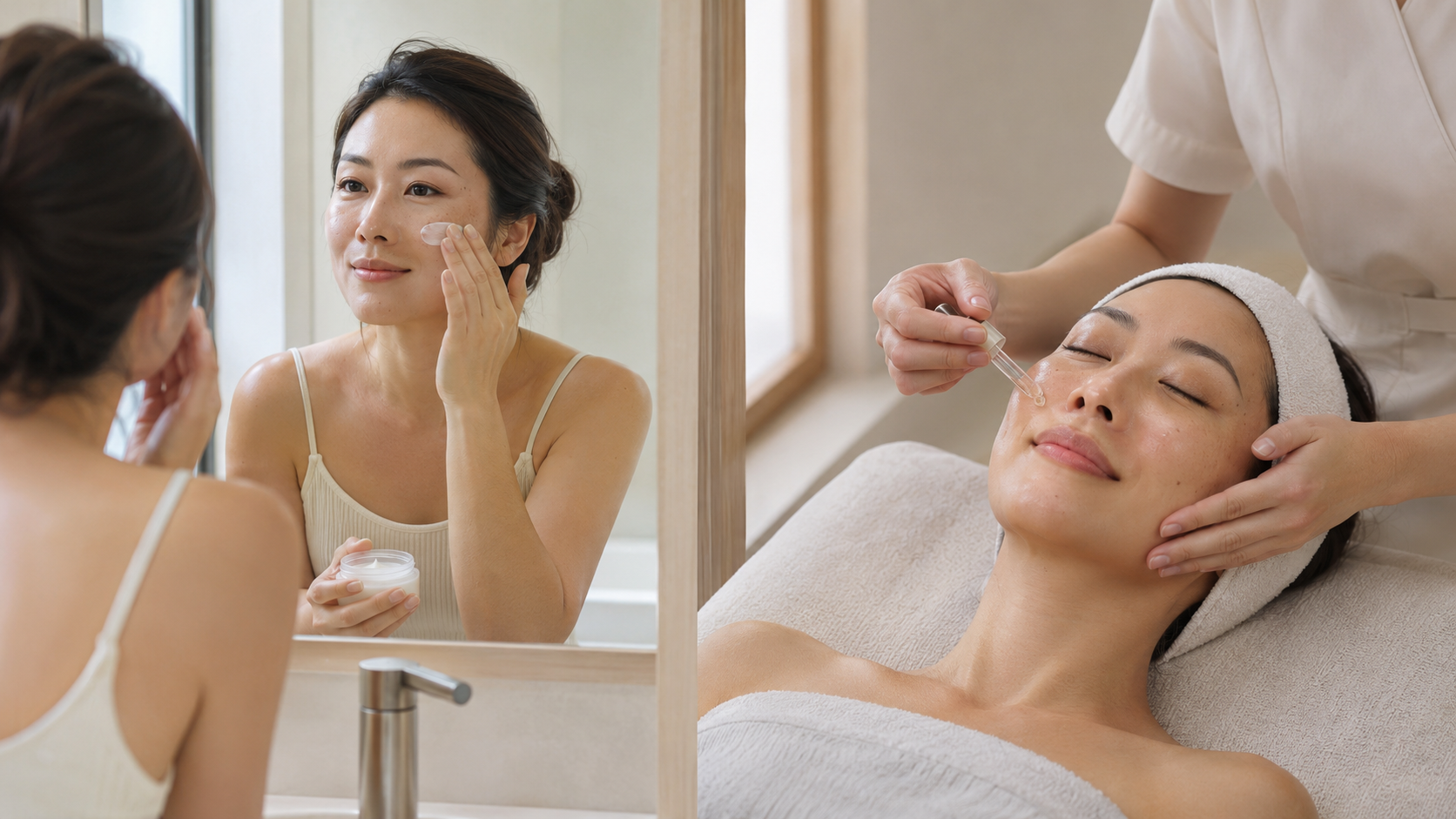
DIY Skincare vs Professional Facials: What's the Difference?
DIY Skincare vs Professional Facials at a Glance
What Is DIY Skincare?
Benefits of DIY Skincare
What Are the Limitations of DIY Skincare?
What Are Professional Facials?
5 Benefits of Professional Facials
1. Personalised Skincare Assessment
2. Additional Care for Clogged Pores
3. Targeted Hydration Treatments
4. Treatments Selected for Specific Skin Concerns
5. Relaxation and Personal Care
Can DIY Skincare Replace Professional Facials?
Are Professional Facials Worth the Money?
When Should You Choose DIY Skincare?
When Should You Consider a Professional Facial?
How to Combine DIY Skincare and Professional Facials
Step 1: Establish a Simple Daily Routine
Step 2: Identify Your Main Skin Concern
Step 3: Choose an Appropriate Facial
Step 4: Follow Suitable Aftercare
Step 5: Maintain Results at Home
How Often Should You Get a Professional Facial?
Frequently Asked Questions About DIY Skincare and Professional Facials
1. Is a professional facial better than skincare at home?
2. Can I maintain healthy skin without professional facials?
3. Are professional facials worth it for clogged pores?
4. How often should I get a facial if I already have a skincare routine?
5. Can professional facials damage the skin?
6. Should I stop my skincare routine after a facial?
7. Which is better for acne: DIY skincare or professional facials?
8. Is it better to spend money on skincare products or facials?
Find the Right Balance with Amber Beila Singapore
DIY Skincare vs Professional Facials: Which Is Better for Your Skin?

TAKE YOUR BEAUTY JOURNEY TO THE NEXT LEVEL. LEARN MORE ABOUT OUR CURATED BEAUTY SERVICES NOW.