
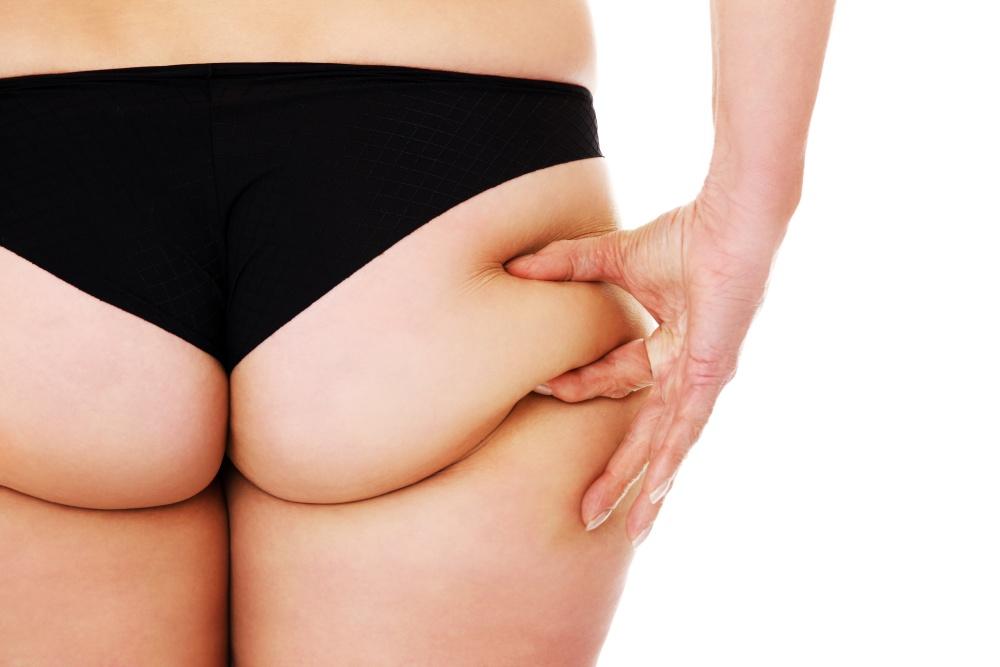
The pursuit of smoother skin often leads to a familiar question: is there a way to permanently get rid of cellulite, and what is the best treatment for it?
Many assume the answer lies in fat reduction. After all, if fat contributes to uneven texture, removing it should restore smoothness.
Yet cellulite is not governed by fat alone. It is influenced by the arrangement of the adipose tissue, connective bands, and skin integrity. As a result, approaches like CoolSculpting that target fat do not always translate into refined texture.
The Biological Architecture of Cellulite
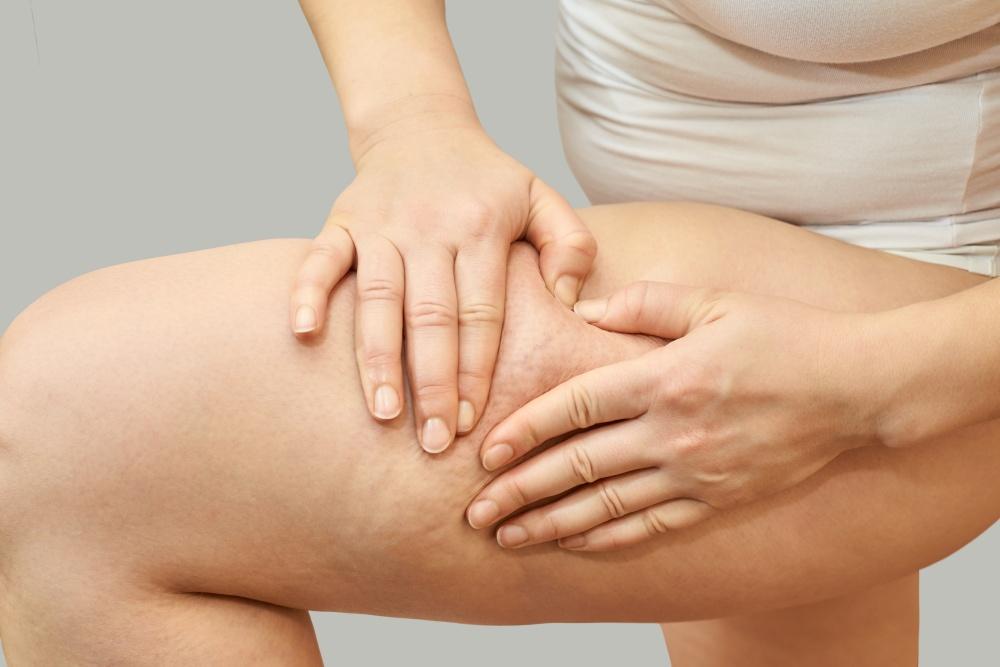
Cellulite forms through a distinct structural interplay beneath the skin. Fat cells expand upward while fibrous connective bands anchor the skin downward, creating the characteristic dimpling seen across areas such as the thighs, buttocks, and abdomen.
This tension between upward pressure and downward tethering gives rise to an uneven surface, regardless of overall body weight or fitness level. In fact, it is estimated that 80% to 90% of women develop cellulite at some stage after puberty.
What makes cellulite more visible? Several factors influence how pronounced the dimpling appears:
Genetics: Inherited traits affect skin thickness, fat distribution, and the structure of connective tissue bands.
Hormonal shifts: Changes in oestrogen during puberty, pregnancy, and menopause may influence fat storage patterns and tissue elasticity.
Skin integrity over time: As collagen production declines, the skin becomes thinner, making underlying dimpling more apparent
The Mechanics of Cryolipolysis
While cellulite concerns the skin’s structural framework, cryolipolysis targets a different depth, focusing on the fat layer beneath the skin.
Cryolipolysis uses controlled cooling to address stubborn adipose tissue that resists diet and exercise. The principle is straightforward: fat cells are more susceptible to cold than surrounding tissue. When exposed to precise temperatures, fat cells undergo a process called apoptosis (programmed cell death). Over the following weeks, the body's immune system clears these cells through natural metabolic processes.
Primary Area of Treatment
Cryolipolysis targets the subcutaneous fat layer beneath the skin surface, with a focus on reducing localised fat in specific zones. Since its FDA clearance in 2010, CoolSculpting has been applied across multiple zones, including the abdomen, flanks, thighs, upper arms, chin, and back.
The Reality of Fat Freezing and Skin Texture
So does CoolSculpting get rid of cellulite?
Cryolipolysis reduces fat volume, but it does not release or restructure the fibrous bands that create visible dimpling. These connective strands remain unchanged, which means the underlying cause of cellulite is not directly addressed.
That said, reducing fat volume may lessen the upward pressure beneath the skin. In some cases, this can subtly soften the appearance of uneven texture, creating a smoother visual transition across the treated area.
Results, however, are not uniform.
Some individuals notice a refinement in texture following treatment, particularly in areas like the thighs or abdomen. Others experience clear fat reduction with little visible change to cellulite. This inconsistency reflects the fact that cellulite involves structural factors beyond fat volume alone.
What to Expect: Timelines for Fat Reduction
For fat reduction specifically, visible changes may begin within a few weeks of a session. Most individuals notice more significant results between 8 and 12 weeks, with full outcomes potentially taking 3 to 6 months as the body continues processing and eliminating disrupted fat cells.
Depending on individual goals and the size of the area being addressed, multiple sessions may be recommended to achieve a noticeable decrease in fat density.
What Fat Freezing Cannot Address
While cryolipolysis can reshape contours, it has clear limitations:
Does not tighten loose or sagging skin: Significant fat reduction can sometimes leave skin appearing looser if elasticity is already compromised.
Does not remove cellulite at its structural source: The fibrous bands that create dimpling remain intact.
Does not replace weight loss: It is designed for spot reduction in localised areas, not overall fat elimination.
Does not prevent future fat accumulation: Remaining fat cells can still expand with weight gain, and fat may deposit in untreated areas.
This goes to show that CoolSculpting is a tool, not a comprehensive solution for all texture-related concerns.
Targeted Alternatives for Cellulite Management
Given these limitations, if your primary concern is skin texture rather than fat volume, what options come into play?
Technologies designed to engage the skin’s deeper architecture may offer a more aligned approach:
Radiofrequency (RF): RF energy delivers heat to deeper skin layers, which may encourage collagen remodelling and support gradual improvements in skin firmness. Certain RF devices also target the fibrous septae that contribute to dimpling.
Microneedling: By creating controlled micro-injuries, microneedling triggers the body's natural repair response, potentially supporting collagen renewal and improved texture over time.
Neither technology offers guaranteed results, though, and outcomes depend on individual skin characteristics, the severity of the concern, and the number of sessions.
Integrate Procedures for a Comprehensive Transformation
If your primary concern is dimpled skin texture, you may benefit from exploring the RF or microneedling options outlined above, either as standalone approaches or in combination with fat reduction.
For example, cryolipolysis can reduce fat volume first, followed by RF sessions to support skin firmness as your body adapts to its new shape. Sequencing matters, and a trained therapist can help you plan sessions appropriately so your body has time to heal between each step.
The Ideal Candidate for Contouring
Since cryolipolysis targets fat rather than cellulite's structural cause, it tends to be best suited for individuals who:
Are near their target weight with localised, exercise-resistant fat pockets
Have sufficient skin elasticity to adapt to a new body contour
Are seeking a reduction in specific zones rather than overall weight loss
Understand the distinction between fat reduction and texture concerns
Your Next Step Toward Body Confidence
The science is clear: cryolipolysis addresses subcutaneous fat, not the connective tissue architecture responsible for dimpled skin. Therefore, while CoolSculpting offers a permanent reduction in the number of fat cells within a targeted area, it is not a solution for cellulite at its structural source.
If you have been weighing your options and want clarity on what a non-invasive fat freeze treatment can realistically achieve for your specific concerns, a professional consultation is a great starting point. A trusted cryolipolysis salon in Singapore, our team at Amber Beila can assess your individual profile, discuss whether complementary skin-tightening options might benefit you, and recommend a path forward tailored to your goals.